
2026 Council Nominations
The APSA Nominating Committee is pleased to announce its 2026 nominees for APSA Council. The call for council nominations was circulated among the membership; additional outreach to APSA committees and organized sections was also conducted. After careful deliberation, the nominating committee made its decisions on the 2026 slate.
Voting now underway! Balloting will run from July 16, 2026 to August 15, 2026. Elegible voters -those whose membership was active as of June 25, 2026- will be able to participate. APSA also accepts nominees by petition, the deadline for submitting nominees by petition was May 17, 2026, no nominations were received. Additional information about APSA elections, including a description of the balloting process, is available here.
APSA Council Nominees
| President-elect | |
| Valerie Martinez-Ebers, University of North Texas | 2026−2027 |
| Vice President | |
| Lisa Baldez, Dartmouth College | 2026−2027 |
| Scott W. Desposato, University of California, San Diego | 2026−2027 |
| Terri E Givens, University of British Columbia | 2026−2027 |
| Treasurer | |
| Candis Watts Smith, Duke University | 2026−2029 |
| Council | |
| Sarah M. Brooks, Ohio State University | 2026−2029 |
| Helen Chang, CUNY-Hostos Community College | 2026−2029 |
| Nandini Deo, Georgetown University Qatar | 2026−2029 |
| Kennan Ferguson, University of Wisconsin, Milwaukee | 2026−2029 |
| Samantha Ann Majic, CUNY-John Jay College | 2026−2029 |
| Natalie Masuoka, University of California, Los Angeles | 2026−2029 |
| Patrick F. McKinlay, Morningside University | 2026−2029 |
| Daniel Tichenor, University of Oregon | 2026−2029 |
President-elect

Valerie Martinez-Ebers
Valerie Martinez-Ebers is a University Distinguished Research Professor and former Director of the Latina/o and Mexican American Studies Program at the University of North Texas.
Statement of Views:
Political science stands at a critical moment. The discipline’s relevance to democratic life has never been greater, yet the gap between scholarly knowledge and public understanding remains a central challenge. As political scientists, we have both intellectual responsibility and a civic obligation to ensure that our work informs the broader public and strengthens democratic institutions. Our work should not only explain politics, it should help citizens navigate it.
The APSA must lead in advancing a more visible, engaged, and impactful discipline. This includes promoting research that speaks to pressing public concerns, supporting scholars who communicate their findings beyond academic audiences, and fostering partnerships with other organizations and individuals who are also working towards the public good.
At the same time, APSA must continue to expand opportunities within the profession. A discipline that reflects diverse experiences and perspectives is better equipped to understand and address the complexities of political life.
Finally, APSA must affirm and defend the principles that sustain scholarly inquiry, including academic freedom and open exchange. By strengthening public engagement, supporting our members, and reinforcing our core values, APSA can ensure that political science remains essential to a vibrant and resilient democracy.
Vice President

Lisa Baldez
Lisa Baldez is Professor of Government at Dartmouth College. She studies the ways in which conceptions of masculinity and femininity shape politics in Latin America, the United States, and the transnational arena.
Statement of Views:
APSA has been central to every aspect of my career in political science and I’m honored to be nominated as Vice President. I would welcome the opportunity to serve my fellow political scientists and the association by addressing some of the pressing issues we face now and the new ones that will inevitably arise. Right now I’m struggling the most with these three: artificial intelligence, challenges to the mission of universities, and political division. First, we know that AI is reshaping the way we teach, conduct research, and engage in civic life on a continuous basis but how should we respond? How can APSA support us in learning how to use AI effectively and ethically as a tool to create knowledge, promote learning, and prepare our students for life beyond college? Second, the past year has been tough on universities. What role can political science play in meeting the challenges that campuses at every level face? What are the most effective strategies to address threats to our core values, cuts to funding, and public criticism? Third, how can we use what we know from our research to repair division and bridge divides? What are the best ways to highlight what people share in common in a context of conflict and ideological animosity?
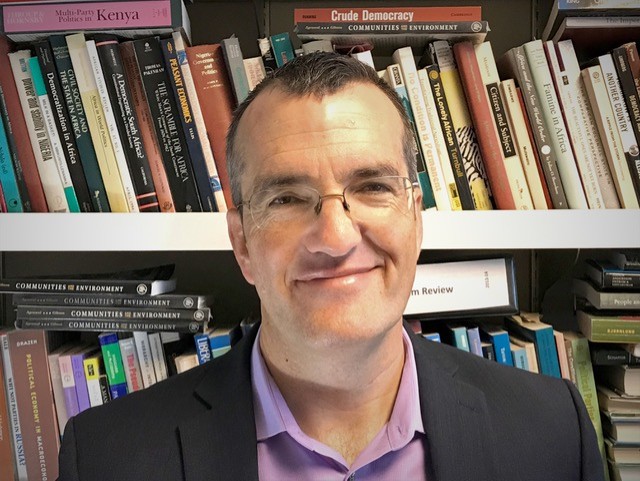
Scott Desposato
Scott Desposato is Professor of Political Science and Simón Bolívar Chair of Latin American Studies at the University of California, San Diego. He received his Ph.D. from the University of California, Los Angeles in 2001.
Statement of Views:
I am honored to be nominated to serve as an APSA Vice President. I previously served on APSA Council and on several APSA committees.
APSA plays a critical role in the profession, fostering networking and community building, supporting research and teaching, and leading the way in professional and ethical best practices. Academia is facing political, fiscal, and demographic challenges and APSA’s strong leadership is needed now more than ever.
My top priorities for APSA in this challenging environment include aggressively defending academic freedom and the research enterprise, promoting intellectual and methodological diversity within the discipline, supporting graduate students facing an increasingly challenging job market, and keeping APSA membership and conferences affordable and accessible to all members.

Terri Givens
Terri Givens is a Professor of Political Science at the University of British Columbia in Vancouver. She was the Provost’s Advisor on the Strategy to Address Anti-Black Racism at McGill University from 2021-2024, where she supported the hiring of and support for Black faculty, staff and students.
Statement of Views:
I started my first volunteer position at APSA in 2003, when I joined the Committee on the Status of Blacks in the Profession. Since that time, I have held a variety of positions, including the Ad Hoc Committee on Governance, which wrestled with updating the organization’s by-laws and actually created the position that I’m nominated for – perhaps my own Dick Cheney moment. I was also a member of the APSA Council during the tumultuous Los Angeles meeting, and I learned a great deal about how members see the association. I hope to help members understand that WE are the organization. It is led by us and a devoted staff that are committed to our success as individuals and as an organization. Mistakes have been made, and organizations that incorporate a diverse group of scholars will continue to be challenged by the crazy world that we are dealing with. We must remain open to listening, taking into account the needs of scholars at ALL levels of the discipline (we aren’t all at RI institutions), in the US and abroad. I look forward to encouraging more colleagues to become involved in the association in the coming years.
Treasurer

Candis Watts Smith
Candis Watts Smith is Professor of Political Science at Duke University, where she also received her B.A., M.A., and Ph.D. Her research expertise highlights the role that race and inequality play in shaping the American political landscape.
Statement of Views
It is an honor to be nominated to serve as Treasurer for the Association. I have had the fortune of being involved with APSA for two decades, attending my first conference as a participant of the Ralph Bunche Summer Institute. Supporting RBSI is just one of the many ways APSA enhances excellence in our discipline. I share its commitment to investing in scholars concerned with our toughest challenges. Through deepened engagement with APSA, it has become clear to me how important APSA’s role is in supporting scholars, scholarship, academic freedom, and free inquiry. I have gained a better understanding of how APSA’s leaders advocate for political science, inform scholars of the ramifications of our ever-evolving political landscape on their scholarship, and collaborate to bring resources to scholars at every stage of the (academic) career path. The health of APSA’s finances is critical to the Association’s mission. Still more, ensuring the transparency of these resources fosters trust between the association’s leaders and its members. I am committed to a leadership style characterized by transparency, collaboration, and innovation to shore up gaps and enhance the best qualities of an organization.
Council

Sarah Brooks
Sarah Brooks is a Professor of Political Science at Ohio State University. Brooks is a scholar of comparative and international political economy whose research has examined how states manage economic risk through social policy, natural resource governance, and sovereign debt.
Statement of Views:
I am honored to be nominated to serve on the APSA Council at a critical moment for our profession. The current challenges to higher education mean that it is all the more important for us to make rigorous, independent scholarship possible, and accessible for our profession, our students, and the public. As a faculty member at a major public research university, I see these pressures up close, and I believe that APSA has an important role to play in defending academic freedom and the inclusive vision of the discipline that we strive to build. If elected, I will be committed to strengthening opportunities for mentoring and professional development for graduate students and young scholars. Drawing on my own research engagement across Sub-Saharan Africa and Latin America, moreover, I will work also to expand the visibility and participation of Global South scholars in APSA’s annual meeting and the broader intellectual life of the association. A political science discipline that can speak to world politics must reflect the full diversity of the world’s scholars, and I hope to support that.

Helen R. Chang
Helen R. Chang is an Assistant Professor of Political Science in the Behavioral and Social Sciences Department at Eugenio María de Hostos Community College of The City University of New York (CUNY).
Statement of Views:
I am grateful to be nominated to serve on APSA Council. As faculty at a two-year institution, which is teaching focused but that also has a research requirement, I have benefited from the mentorship and professional development opportunities that I have found at APSA’s Teaching and Learning Conferences and through APSA’s Committee on the Status of Community Colleges in the Profession and the Political Science Education organized section. I am committed to building on APSA’s efforts to welcome and support teaching faculty and scholars at community colleges and our increasing number of dual enrollment partners in the secondary education space. These efforts include programming that is oriented towards teaching faculty like open education resources as well as offering various accessible options for engagement with APSA and the discipline through virtual workshops and symposiums. I also hope to increase the visibility of political science educators at two-year colleges and help inform APSA and its membership about the expertise and importance of community college faculty, who are now often a student’s first point of contact in the discipline and who are well-placed to strengthen the transfer pipeline and to collaborate with colleagues at four-year institutions on curricular innovations and research-based pedagogies.
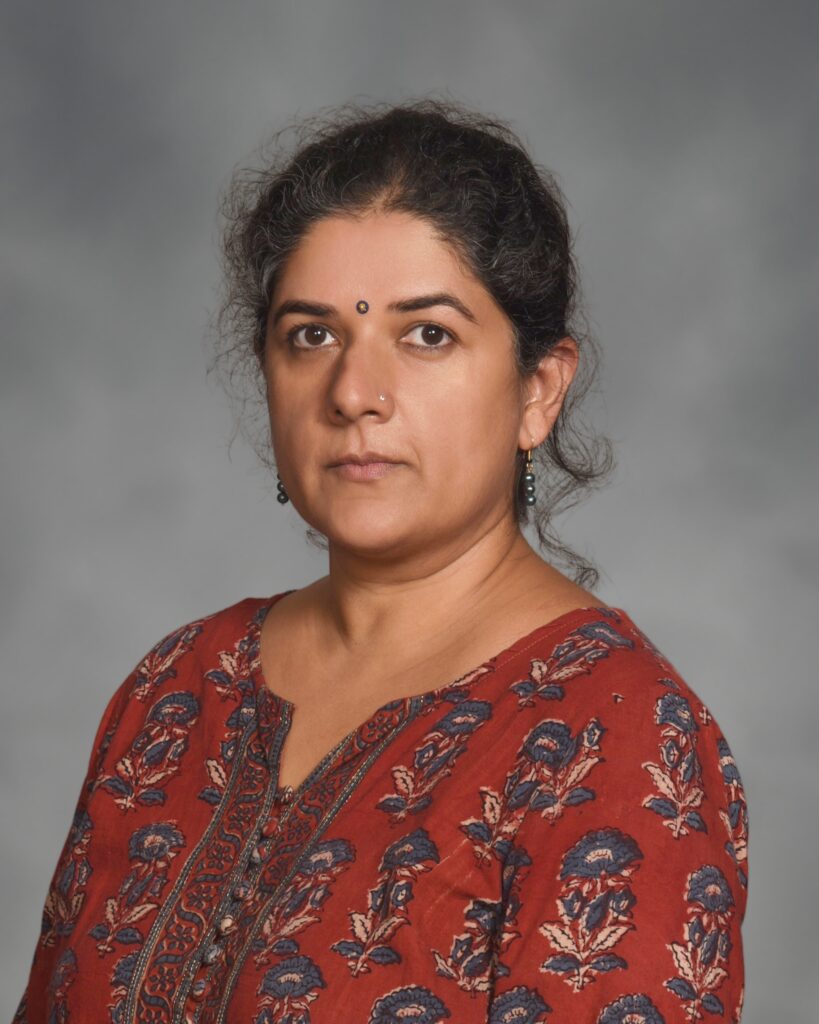
Nandini Deo
Nandini Deo is an Associate Professor of International Politics at Georgetown University in Qatar and a Professor of Political Science at Lehigh University. Over nearly two decades in the discipline, she has been a consistent contributor to the APSA community, with a particular focus on supporting the Religion & Politics and Women, Gender, & Politics sections.
Statement of Views:
I am honored to be considered for the APSA Council. My research on civil society has consistently shown me that the health of political institutions depends on the health of the associational communities within them. I view APSA not just as a professional body, but as a vital community for mentorship and intellectual growth. My priority on the Council would be to enhance the Association’s support for mid-career and international faculty, particularly those navigating the complexities of teaching and researching in diverse political environments. APSA must lead the way in articulating the public value of political science, and I look forward to contributing my perspective as an educator and researcher to help our Association thrive in a rapidly changing academic landscape.
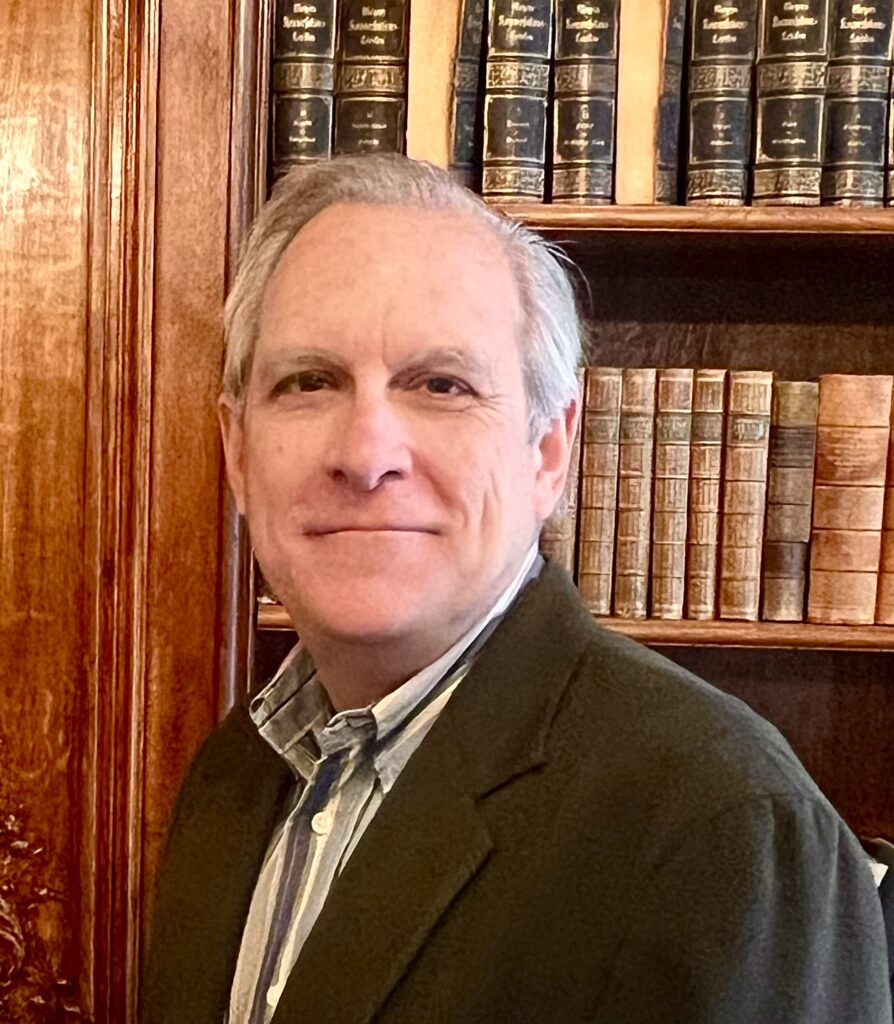
Kennan Ferguson
Kennan Ferguson is a Professor of Political Science at the University of Wisconsin, Milwaukee and currently a Distinguished Fulbright Scholar at the Institute of Political Studies at Univerzita Karlova/Charles University in Prague, Czechia.
Statement of views:
As political scientists, we know the complexities that arise within institutions with multiple sources of authority. Organizations such as the APSA experience this no less than multinational corporations or nation states. The APSA Council forms one vital authoritative node, sharing power and responsibilities with the Executive Committee, Governance Committees, Sections (and their representatives), and the Executive Director and permanent staff. My overriding concern, if elected, would be to represent the multiplicity of interests of the APSA membership. I would work closely with the people who make the organization function every day and with those striving to increase the reach, scope, and diversity of those it represents, while concurrently addressing specific critical issues facing our colleges, universities, and departments.

Samantha Majic
Samantha Majic is Professor of Political Science at John Jay College-CUNY, a doctoral faculty member in the Political Science and Criminal Justice programs at the CUNY Graduate Center, and co-director of APSA’s Institute for Civically Engaged Research.
Statement of Views:
With democracy and the academy under attack, we must act collectively to confront the challenges facing our discipline and world. To this end, my contribution to the Council will center on three priorities, the first of which is meeting people where they are. Drawing on my years as a practitioner of civically engaged research, I believe scholars require support and encouragement to work directly with communities to understand and resolve their most pressing concerns—a task made crucial by growing distrust in scholarly expertise. Second, I am committed to furthering methodological diversity. Since the problems we study will only become more complex, it is essential for us to think creatively about how we gather and analyze data, broadly defined, and about how we communicate our findings in an increasingly fragmented media-scape replete with misinformation. Third, I am dedicated to tackling labor challenges. Teaching at an under-funded urban public institution, I am intimately familiar with the employment and resource disparities that plague many colleges and universities. Serving on the Council, I will urge APSA to focus on these inequalities so we are all better positioned to face the urgent matters of our time.

Natalie Masuoka
Natalie Masuoka is Professor of Political Science and Asian American Studies at UCLA. Her research expertise crosses the fields of Race, Ethnicity and Politics, Political Behavior and Public Opinion.
Statement of Views:
It is an honor to be nominated to serve on the APSA Council. I see APSA as an important institutionalized space that enables scholars to promote their research, engage in collaborations within and across subfields in political science and develop pedagogies for teaching political science in the classroom. APSA’s purpose is to promote a healthy exchange of ideas and supporting the need for a wide range of perspectives in both scholarship and inside the classroom. As a scholar of racial and ethnic politics (REP), my own research career was made possible because of the infrastructure offered by APSA to support the development of subfields like REP, which just recently celebrated its 30th anniversary as an APSA organized section. I would be proud to serve on a Council that will continue APSA’s inclusive practices towards promoting new and innovative ideas in the profession.

Patrick McKinlay
Patrick McKinlay is Professor of Political Science at Morningside University, in Sioux City, Iowa, where he has served on the faculty since completing his Ph.D. in Government and International Studies at the University of Notre Dame.
Statement of Views:
It is an honor to be nominated to serve on APSA council. I am a proud product of diverse institutions – from large regional publics to private AAU research-intensives, and I have enjoyed my career at a small, private liberal arts institution. A constant for me since my days as an undergraduate has been the opportunity, insight, development, and fellowship APSA has provided. I currently work in a two-person program and could easily feel isolated within the discipline, but APSA has been an essential part of my development and fulfillment as a political scientist. I am grateful to APSA for providing intellectual and pedagogical nourishment over my career. I have benefited in manifold ways from the diverse engagement opportunities through the annual meeting, TLC, our outstanding journals, and the diverse resources APSA provides to all its members (APSA Educate, PS, Political Science Today, and many others). I have also grown personally and professionally through participation in section activities, especially Political Science Education and Civic Engagement. I have always felt welcome at APSA and will do everything I can to ensure that remains true for all of our peers across the discipline, wherever they may be based. I welcome the opportunity to give back to an Association that has meant so much to me, preserving and amplifying the particular and valuable voice of thousands of our colleagues in institutional settings like my own. I will support APSA initiatives to strengthen opportunities for engagement within the sections, especially for colleagues from smaller institutions with limited departmental resources for professional development, research support, and pedagogical innovation. At the same time, I believe APSA can support graduate students and new faculty to identify rewarding career opportunities in the diverse kinds of institutions we serve, especially small liberal arts institutions, community colleges, regional universities, as well as major research institutions.
Daniel Tichenor
Daniel Tichenor is the Philip H. Knight Chair of Political Science and Director of the Wayne Morse Center for Law and Politics at the University of Oregon. His research and teaching focus on international migration, citizenship, social movements, executive power, and politics and history.
Statement of Views:
I am grateful to be nominated to serve on the APSA Council, and I am eager to give back to an association that has provided vibrant intellectual community, mentorship, and opportunities for professional growth. With constitutional democracy, higher education, and evidence-based research all under attack, it is hard to imagine a more consequential time for our discipline, association, and profession. Amid these challenges, I hope to support APSA staff in navigating a variety of challenges to maintain its financial well-being and the strength of its programs, meetings, and initiatives. In turn, I am interested in the role APSA can play in defending academic freedom, inclusion, and shared governance at universities and colleges, in protecting brave teaching and problem-driven scholarship, and in championing international and immigrant students, as well as political science colleagues across borders. Finally, having served on a variety of APSA committees and in leadership roles for several organized sections, I believe that our association and discipline flourish through diversity in the profession and through methodological and theoretical pluralism.