
November 2026
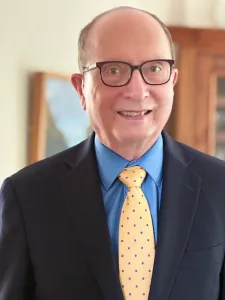
Dr. Charles A. Stevenson
Johns Hopkins University
Member since 1965
How did you learn about APSA? When did you become a member of APSA, and what prompted you to join?
I learned about APSA when I was in graduate school and joined then in order to attend the conventions.
How have APSA membership and services been valuable to you?
While I was still working in the Senate, APSA provided me with information through its publications and opportunities at its conventions to remain engaged with academia. Since I left the Hill, APSA has served me as a venue for collaboration with other political scientists.
Can you tell us about your professional background and your research?
My Harvard dissertation was on US policy toward Laos. I chose the topic in order to learn more about Southeast Asia during the Vietnam war, but with material that would not be politicized. Once I was working on defense and foreign policy in the Senate, I saw much of my daily work through the prism of political science and wanted to share my insights with other academics. I have specialized in use of force policy in Congress and the Executive Branch. I was exposed to civil-military relations issues while in the Senate and at the National War College. Nowadays I focus on case studies of US national security policy with a bureaucratic politics perspective.
CAN YOU TELL US ABOUT YOUR EXPERIENCE TEACHING APSA CFP FELLOWS THROUGHOUT THE YEARS?
Since 2002 I have been privileged to work with APSA Congressional Fellows, both during their orientation and in a special class. Each year, about half a dozen Fellows, including Federal Executive Fellows already working in the government, take my SAIS course on Congress and Foreign Policy. It’s exciting for me, and I think for most of the students, to have this exchange between younger scholars and older, experienced professionals. We keep learning from each other.